
Editor’s Note: Western North Carolina is rich with untold stories—many resting quietly in local cemeteries. In this Tombstone Tales series, we explore the lives of people from our region’s past whose legacies, whether widely known or nearly forgotten, helped shape the place we call home.
ASHEVILLE, N.C. (828newsNOW) — In a North Asheville cemetery off Lynn Cove Road, the headstone of Wilma Dykeman Stokely marks the resting place of a writer who helped change how the region talked about the French Broad River and what was being poured into it.
Dykeman Stokely, often described as the “First Lady of Appalachian Literature,” is buried in the Beaverdam Baptist Church Cemetery, on the grounds of what was once Beaverdam Baptist Church.
She is credited with helping turn public sentiment toward cleaning up the French Broad River, and with influencing the civic imagination that later shaped Asheville’s River Arts District.
Dykeman was born May 20, 1920, in the Beaverdam Creek area. An only child, she attended Grace Elementary and Grace High School in the village of Grace, then studied at Biltmore Junior College, later UNC Asheville. After two years, she transferred to Northwestern University in Illinois to finish a bachelor’s degree in speech.
Her writing instincts showed early. She experimented with scriptwriting and poetry while still in school, and a family legend holds that she met Asheville author Thomas Wolfe as a child and carried his influence with her.
At Northwestern, she met James R. Stokely Jr., a poet and fellow writer from Newport, Tennessee. They graduated in 1940 and married that same year in the front yard of Dykeman’s family home. They never fully left their mountain roots, dividing their lives between Asheville and Newport as they raised two sons.
When Stokely was forced out of his family’s business in a contentious buyout, the couple became apple farmers to supplement an income that depended on writing work arriving in irregular bursts. They owned orchards on both sides of the North Carolina-Tennessee border and drove frequently between their homes.
Dykeman began with radio scripts, then built a career that included regular newspaper work and stories for major magazines, including the New York Times Magazine and Reader’s Digest. Her longest-running project was “The Simple Life,” a column in the Knoxville News Sentinel that ran from 1962 to 2000.
Her most lasting impact, though, is tied to a single book. In 1955, she published The French Broad, her first book and the work most closely associated with her legacy. It was the 49th volume in the “Rivers of America” series, a long-running set of books chronicling the history and culture that grew up around major waterways.
The series was intended to be safe and uncontroversial. Dykeman refused to play it that way. She insisted on including a final chapter titled “Who killed the French Broad?” a shocking indictment that challenged readers to see pollution as a community choice with consequences.
She won the first annual Thomas Wolfe Memorial Literary Award for The French Broad, an honor still presented by the Western North Carolina Historical Association.
Decades later, Asheville formally attached her name to the riverfront she pushed residents to pay attention to. In 2021, City Council voted to name a River Arts District greenway for Dykeman. The Wilma Dykeman Greenway stretches along the Swannanoa and French Broad rivers.
Dykeman went on to publish 17 more books, including fiction and nonfiction rooted in Appalachian life. She is also remembered for titles such as The Far Family, Return the Innocent Earth and Neither Black nor White, a book on race relations co-authored with her husband that received the Sidney Hillman book of the year award.
She died Dec. 22, 2006, at 86, from complications following hip surgery, and was buried in the cemetery near her childhood home.
-
Tombstone Tales: Asheville’s River Champion, Wilma Dykeman Stokely
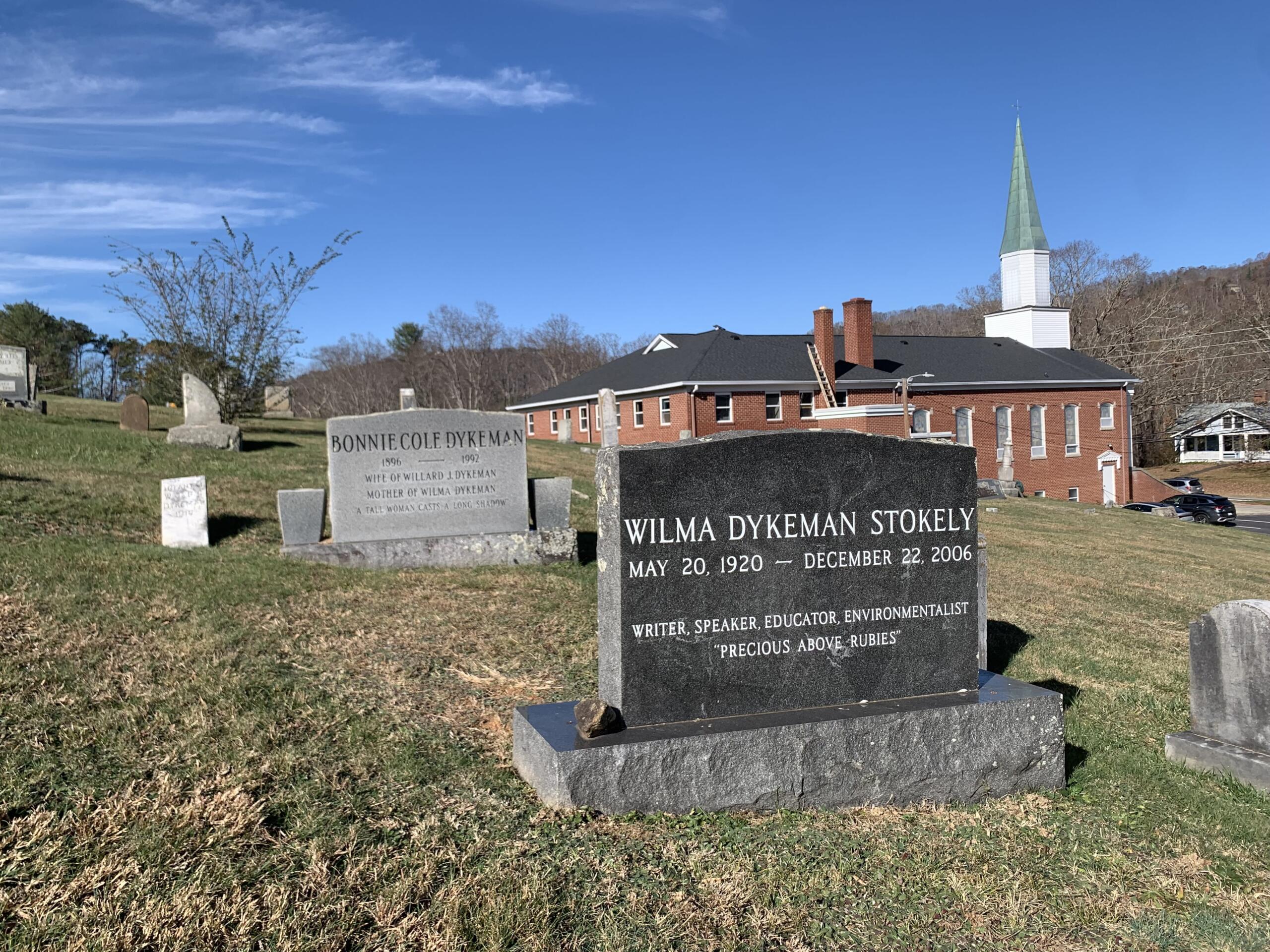
Wilma Dykeman Stokely, often called the “First Lady of Appalachian Literature,” helped shift public attention toward the French Broad River’s pollution and cleanup.
-
Tombstone Tales: Gig Young’s shocking murder‑suicide and his grave in WNC
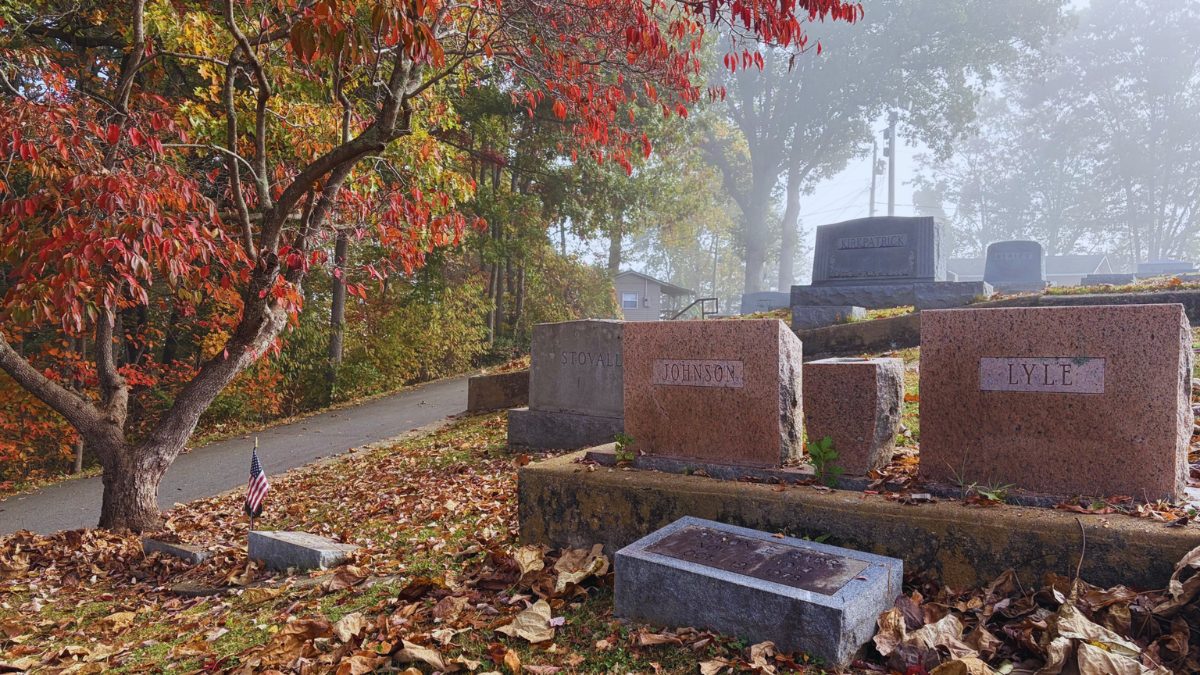
Gig Young’s rise, fall and violent final act still echo from Manhattan to the mountains, where he’s buried under his real name.
-
Tombstone Tales: The man who helped light America
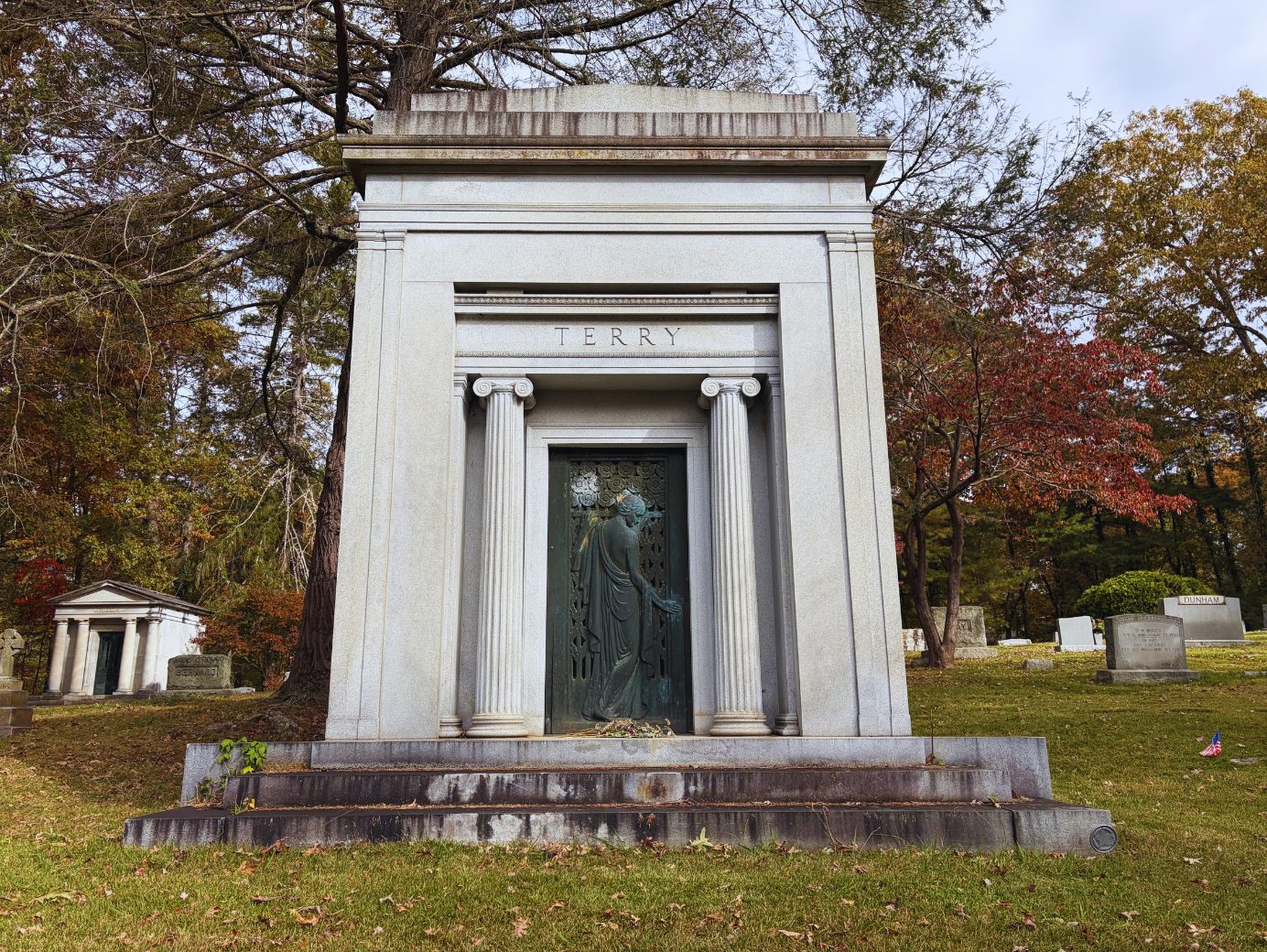
A Connecticut-born pioneer of electric lighting and his North Carolina wife rest in Asheville’s Riverside Cemetery, their stories entwined with industry, innovation and philanthropy.
-
Tombstone Tales: The Von Ruck Mausoleum and Asheville’s literary ties
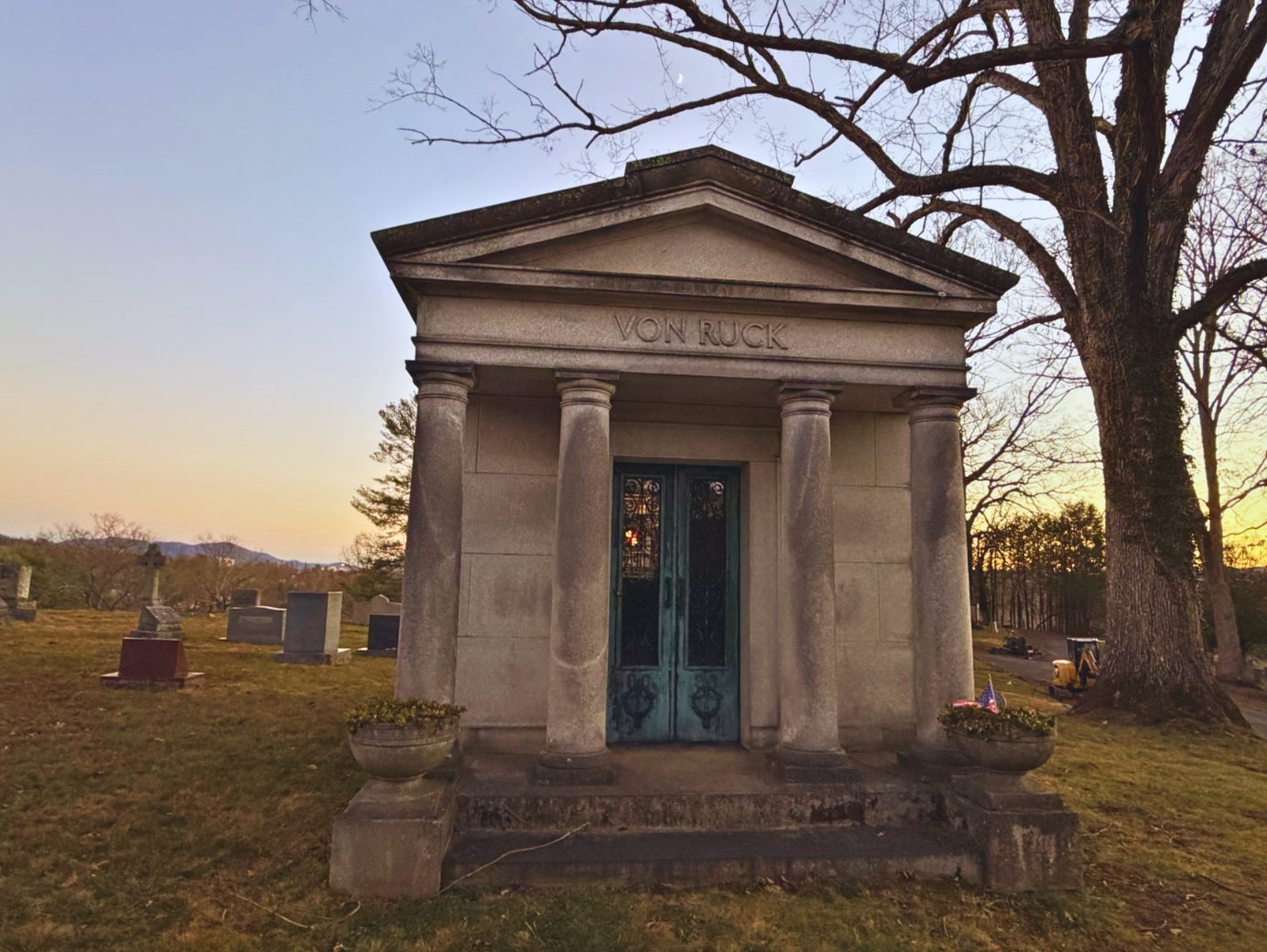
A story that runs from Asheville’s tuberculosis era to Thomas Wolfe’s fiction and early American horror.
-
Tombstone Tales: A Revolutionary War Soldier at Canton’s Locust Field
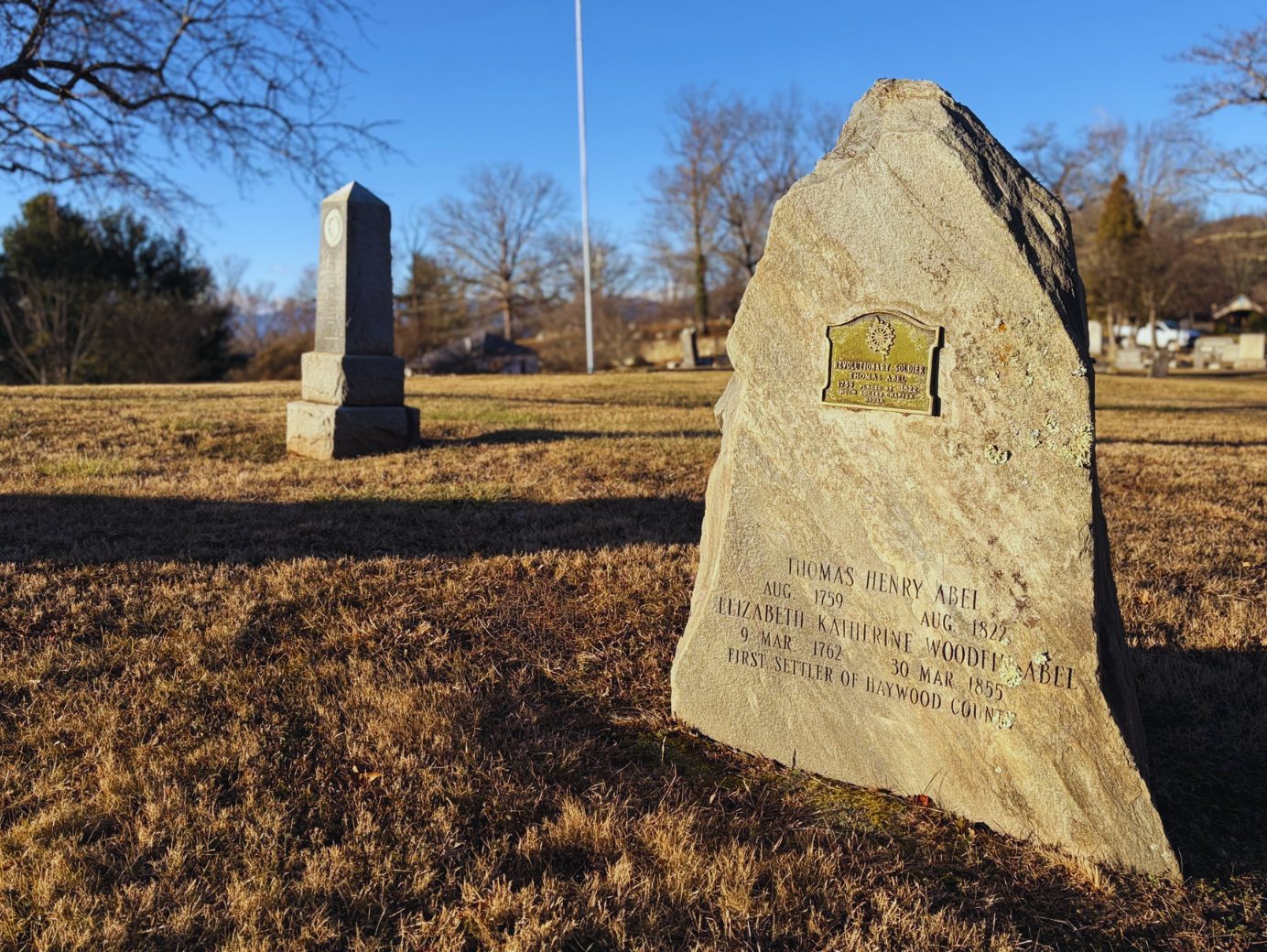
A Revolutionary War pension file and a Canton gravesite connect Thomas Abel’s Virginia enlistment to his final resting place in Haywood County.