
EDITOR’S NOTE: Strangeville explores the curious and unexplained stories that have long defined Asheville and Western North Carolina. The region is full of unanswered questions, from old folklore and local legends to eerie encounters, unsolved moments in history, and the true-crime mysteries that still leave people wondering. Each week, we look back with an open mind and a sense of curiosity, trying to understand why some stories take hold and why some can never be explained.
ASHEVILLE, N.C. (828newsNOW) – On a June day in old Asheville, a royal float rolled down Haywood Street with a baby king and queen perched on top, waving from a handmade throne. Behind them a line of decorated wagons and carriages turned into a miniature stage, packed with toddlers in costumes and parents walking alongside like proud attendants.
The unique baby parade was one of the most memorable traditions of the Asheville Rhododendron Festival, a pre-World War II celebration created to bring visitors into town during peak bloom. Conceived by the Asheville Chamber of Commerce and supported by civic groups, the Rhododendron Festival was designed as an early-summer showcase.
The festival quickly expanded into a weeklong slate of events meant to keep Asheville moving from morning into night, with parades, dances, contests and staged spectacles downtown. The goal was straightforward: give visitors a reason to come to town and give locals a reason to gather downtown.
One of its most lasting offshoots started in 1928, when festival leaders asked folklorist Bascom Lamar Lunsford to assemble mountain musicians and dancers for evening performances. The program in Pack Square drew large crowds and became a highlight strong enough to grow on its own. By 1930, the folk festival continued as a separate event after the Rhododendron Festival, helping establish a tradition of mountain music and dance that outlived the flower festival that first hosted it.
The Baby Parade followed a similar arc, growing from a smaller idea into a marquee attraction.
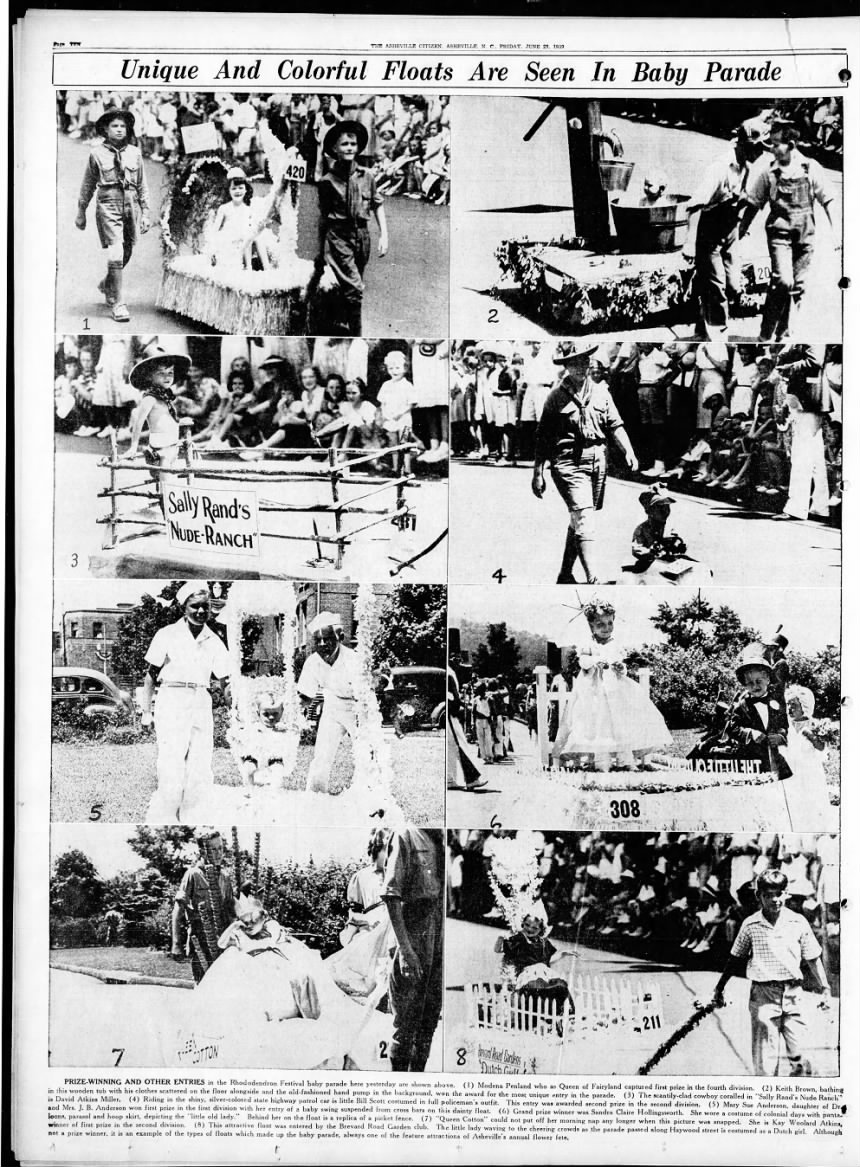
In 1928, festival plans included a baby clinic and baby show. Alongside the examinations and judging, organizers encouraged decorated baby carriages and tiny floats. Parents responded the way Asheville parents would for generations to come: they got creative.
By May 1929, the Baby Parade became an official part of the Rhododendron Festival. The parade was treated as a production, with coordination, categories and the logistical challenge of getting dozens of small entries staged and moving through downtown.
Over the next decade, the Baby Parade became a centerpiece of festival week. Families transformed strollers, coaster wagons, toy four-wheelers and homemade platforms into storybook and entertaining displays, then rolled them past crowds gathered curbside.
By the late 1930s, the parade crowned a baby king and queen and seated them on a royal float before the procession of more than 100 children. The Asheville Times reported a downtown crowd so large it turned the sidewalks into standing-room-only viewing.
But the Rhododendron Festival’s popularity also made it expensive.
By the early 1940s, public discussion in Asheville turned toward the festival’s financial sustainability. Leaders debated whether the festival events and the parade-heavy format was worth what it cost to mount.
Then World War II changed the rhythm of civic life across the country. As priorities shifted, many large community celebrations were scaled back, postponed or abandoned. In Asheville, the Rhododendron Festival era slipped quietly into history.
The Baby Parade was a reminder that Asheville has always liked its celebrations a little handmade, a little theatrical, and occasionally scheduled around naptime.
-
Strangeville: Asheville’s Rhododendron Baby Parade
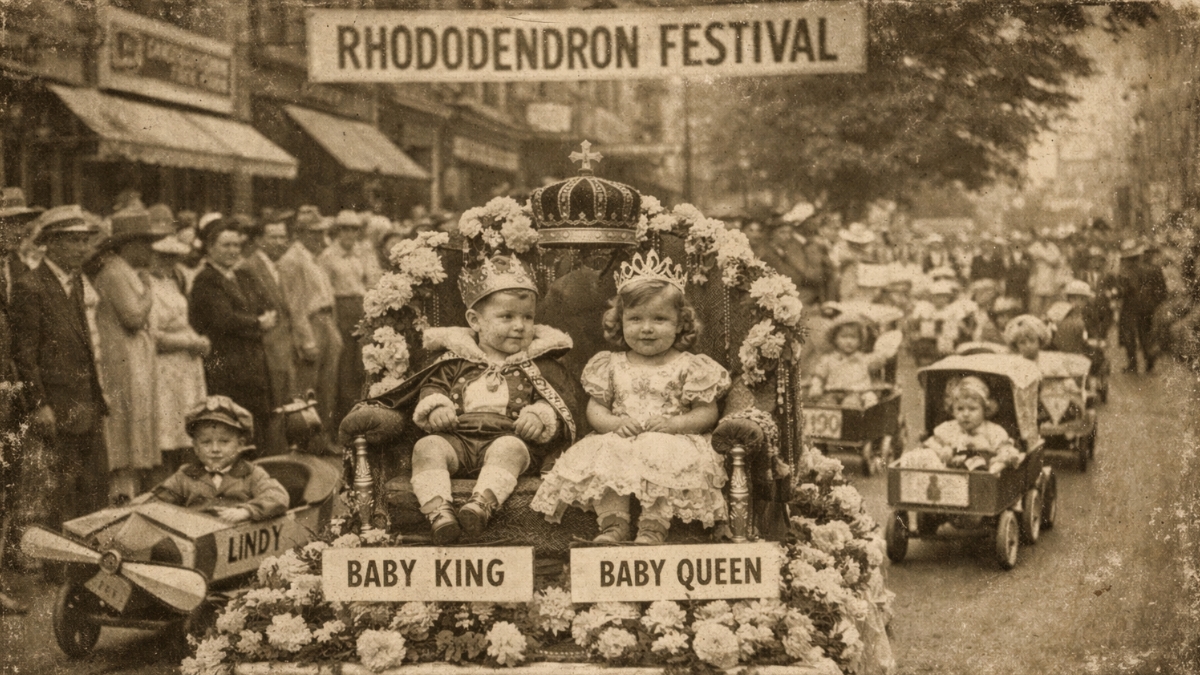
During Asheville’s Rhododendron Festival heyday, a Baby Parade drew huge crowds and tiny floats. The tradition lasted until money worries and a world war changed everything.
-
Strangeville: Linville Hermit disappearance remains a mystery
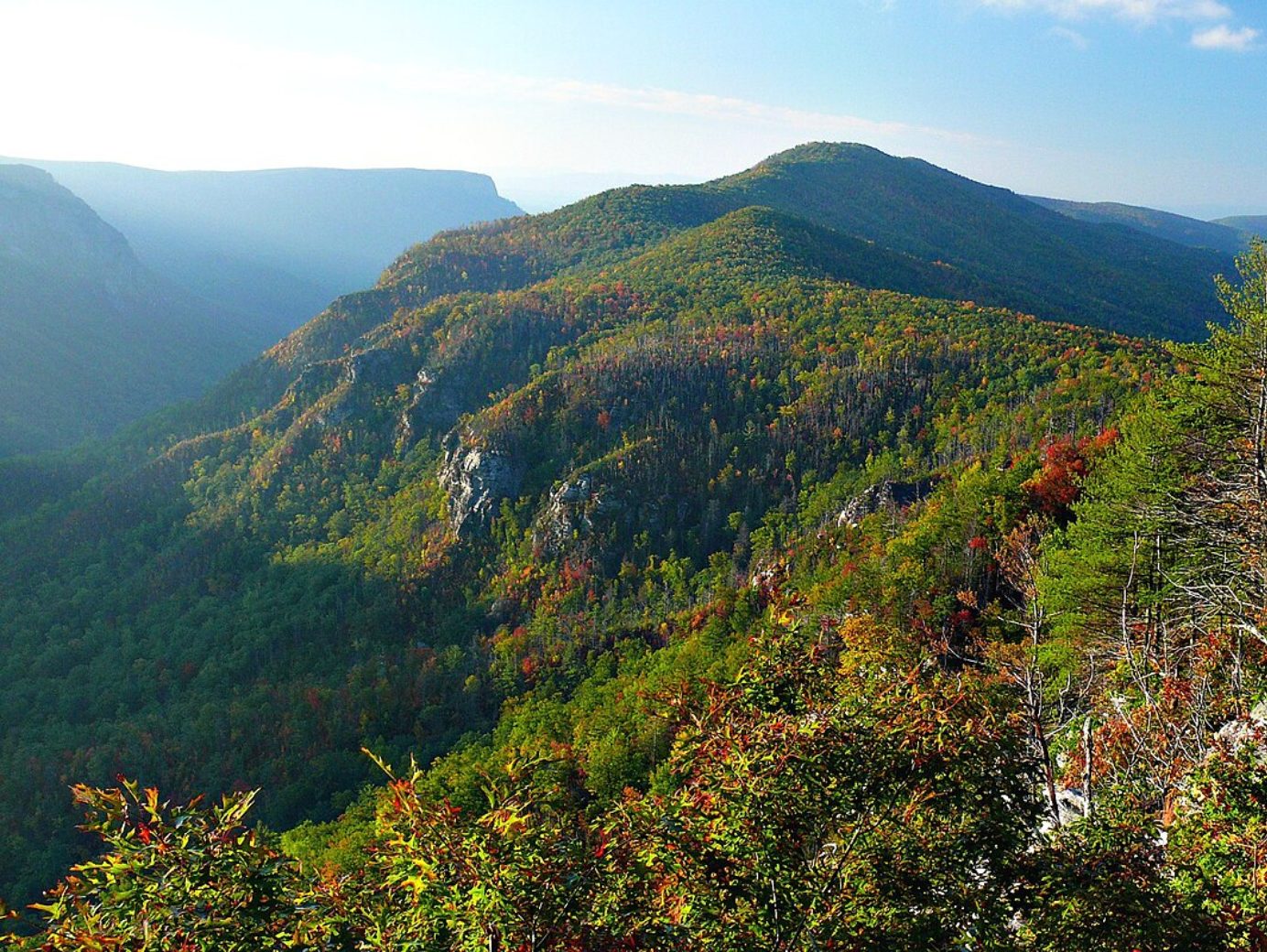
A man known locally as the Linville Hermit is said to have vanished from his mountain cabin in the 1800s. No official record exists, but the story has remained part of local folklore for generations.
-
Strangeville: The Whang Doodle that haunted Polk County
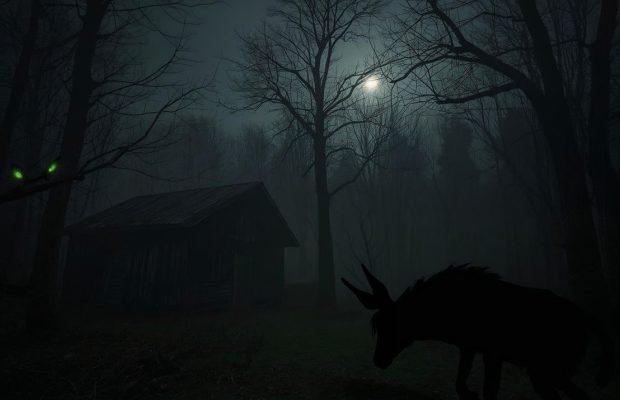
A legend from Polk County tells of a mysterious creature once seen by a young boy in the Appalachian foothills.
-
Strangeville: The Ghost Town of Puncheon Camp Creek
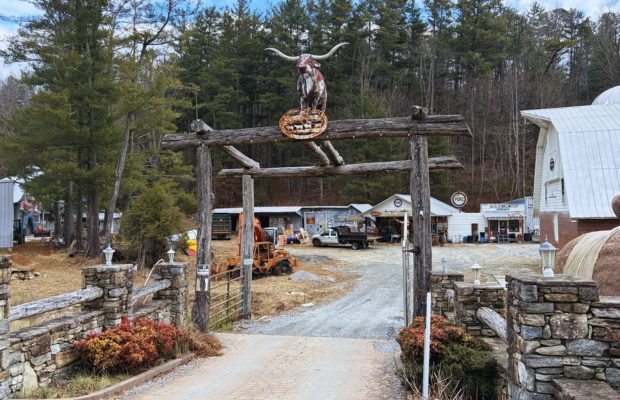
EDNEYVILLE, N.C. (828newsNOW.com) — In the open farmland of rural Henderson County, two oversized fiberglass steers stand watch along Old
-
Strangeville: The Cherry Bounce King of WNC

Meet Amos Owens, the Cherry Bounce King of North Carolina, whose moonshine legacy and infamous mountain parties made him a folk legend on Cherry Mountain in the late 1800s.